
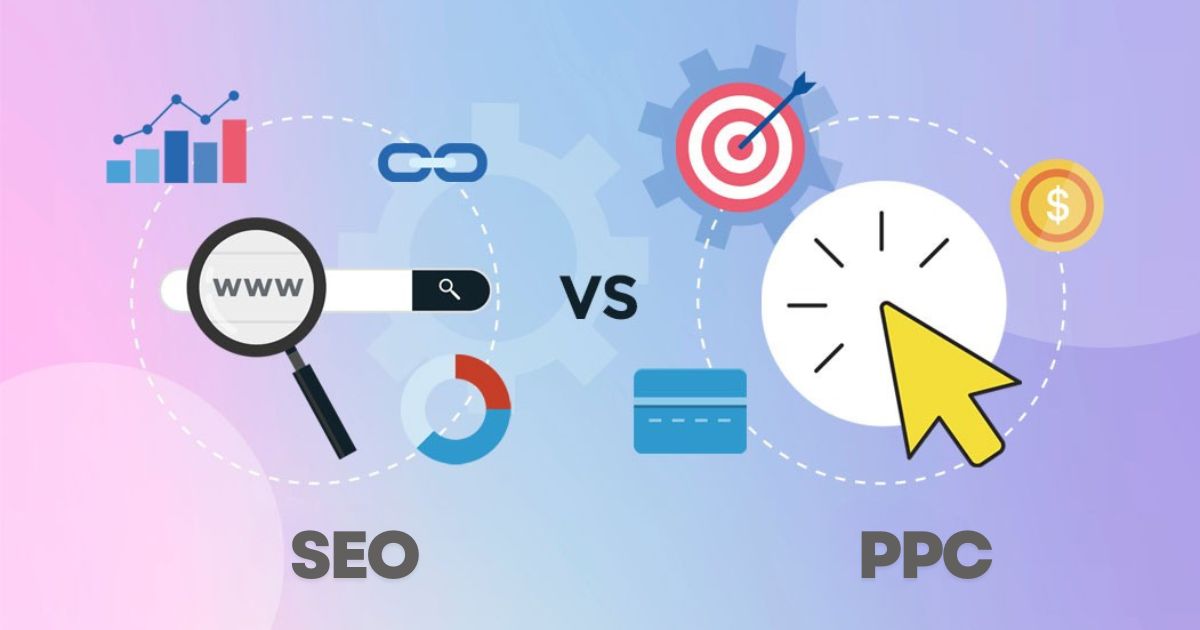
In 2025, marketing costs are at an all-time high. Google Ads CPCs are up 12 percent year-over-year, and organic competition keeps growing with every core update. This leaves businesses with a tough choice: invest in SEO for long-term growth or spend on PPC for instant traffic.
The short answer: neither channel alone is perfect. PPC wins if you need leads this week, SEO wins if you want lower cost per lead over time. The best ROI usually comes from combining both — using PPC for quick wins and SEO to build a traffic engine that reduces ad spend in the future.
This guide breaks down SEO and PPC in plain language, compares their ROI head-to-head, and shows exactly when to choose one, the other, or both to maximize results in 2025.
What Is SEO?
Search engine optimization (SEO) is the process of improving a website so it ranks higher on Google, Bing, and other search engines. The goal is to attract free, consistent traffic by showing up when people search for products, services, or questions you can answer.
Pros of SEO
SEO builds trust. Sites that appear organically are seen as more credible than ads. Once a page ranks, it can bring traffic for months or even years with little extra cost. This creates compounding ROI — every blog post, landing page, and backlink adds to your long-term visibility.
Cons of SEO
SEO takes time. In competitive niches, it may take 3–6 months to see strong results. Google’s algorithm updates can change rankings overnight, which means you need constant monitoring and content updates. It also requires ongoing investment in content creation, technical fixes, and link building to stay ahead.
What Is PPC?
Pay-per-click (PPC) advertising is a model where businesses pay each time someone clicks on their ad. The most common platforms are Google Ads, Facebook Ads, and LinkedIn Ads. PPC is designed to drive traffic instantly by placing your ad at the top of search results or in users’ feeds.
Pros of PPC
PPC delivers results right away. You can launch a campaign today and start getting clicks within hours. It is easy to measure performance with metrics like CTR, CPC, and ROAS. You can target specific audiences by location, interests, and even time of day, which makes campaigns very precise.
Cons of PPC
The cost of PPC is increasing each year. If you stop paying, traffic stops immediately. Ads can also lose effectiveness as users see them too often, leading to lower click-through rates. Continuous testing and budget adjustments are required to maintain results.
SEO vs PPC ROI – Head-to-Head Comparison
Both SEO and PPC can drive traffic, but their ROI patterns are very different. The choice depends on how fast you need results, how much you can invest, and how long you plan to keep growing your traffic.
Cost Breakdown in 2026
SEO usually involves monthly retainers for content, technical work, and link building. Average small business SEO costs range from $1,000 to $5,000 per month. PPC costs are tied to clicks. In 2025, Google Ads CPCs have increased by about 12 percent, with averages ranging from $1.50 to $4.50 depending on the industry. Competitive sectors like finance and legal can exceed $10 per click.
ROI Timelines – Short Term vs Long Term
SEO takes time to build momentum. Most businesses see results after 3 to 6 months, but the ROI compounds over time. PPC delivers instant results. Campaigns can start generating leads on the first day, but the ROI stops as soon as you pause your ads.
Conversion and Lead Quality Comparison
Organic traffic often converts at a slightly higher rate because users trust search results more than ads. PPC can deliver high-quality leads if targeting is well set up, but poor campaign settings can waste budget quickly.
Quick Comparison Table
| Factor | SEO | PPC |
| Cost | Monthly retainer, usually lower long-term | Pay per click, cost rises with competition |
| Time to See Results | 3–6 months on average | Same day |
| Scalability | Grows over time with more content | Scales instantly but limited by budget |
| Lead Quality | Often higher due to trust | Can be very high with precise targeting |
| Ongoing Effort | Content updates and optimization needed | Continuous bid management and testing |
When Should You Invest in SEO Instead of PPC?
SEO is best for businesses that want to build long-term visibility and reduce their reliance on paid ads. While it requires patience and consistent effort, the payoff can be significant once rankings are secured.
Budget Considerations
If you have a fixed monthly marketing budget and want to stretch it over time, SEO is often the smarter choice. Instead of spending all your budget on clicks that disappear when the campaign ends, SEO builds a traffic asset that keeps bringing visitors month after month. This is ideal for businesses that want predictable, sustainable growth.
Industries Where SEO Works Best
SEO performs well in industries where customers research before buying, such as real estate, education, health, and B2B services. Blog posts, guides, and case studies can educate potential customers and move them through the funnel. SEO is also valuable for e-commerce stores that want to rank product and category pages for high-intent keywords.
Local Businesses and Content-Driven Brands
Local businesses can benefit greatly from local SEO, including Google Business Profile optimization, location pages, and customer reviews. This builds trust in the community and brings consistent foot traffic. Content-driven brands like media sites, coaches, and SaaS companies thrive with SEO because every article or resource strengthens their authority and brings in qualified leads.
When Should You Invest in PPC Instead of SEO?
PPC is the right choice when you need fast, measurable results and cannot wait months for organic rankings to build. It is a powerful option for businesses with time-sensitive campaigns or competitive markets.
Need for Instant Leads
If you are launching a new product, running a seasonal promotion, or trying to fill seats for an event, PPC is the fastest way to get attention. Campaigns can go live in a few hours and start generating clicks the same day. This is perfect for businesses where timing is critical and missing a window means losing revenue.
High-Competition Industries
In industries where SEO competition is extremely high, such as insurance, finance, and law, ranking organically can take years and significant investment. PPC allows you to bypass competitors and appear at the very top of search results instantly. With smart bidding and ad copy, you can still get a strong ROI even in expensive niches.
Testing New Products or Markets
PPC is excellent for market validation. If you are unsure whether a product idea will resonate with your audience, running a small ad campaign can give you quick data. You can test headlines, offers, and landing pages to see what works before investing in a long-term SEO strategy.
How Can SEO and PPC Work Together to Deliver the Best ROI?
The most effective digital marketing strategies in 2025 rarely rely on just one channel. Combining SEO and PPC creates a balanced approach that delivers both quick wins and long-term growth.
Why Integration Works
SEO and PPC complement each other. PPC gives you instant visibility at the top of search results, while SEO builds authority that keeps bringing traffic long after campaigns end. Using both means you can capture clicks from users who prefer ads and those who skip them.
Using PPC for Keyword Testing
PPC campaigns are an excellent way to test which keywords convert before investing heavily in SEO. For example, you can run ads for high-intent keywords like “buy CRM software” and measure conversion rates. If a keyword performs well, you can build an SEO content plan targeting that term and its variations. This saves months of guesswork and ensures your SEO investment focuses on terms with proven ROI.
Covering the Entire Funnel
PPC can target bottom-of-funnel users ready to buy, while SEO builds top- and mid-funnel content that nurtures leads over time. A combined strategy allows you to show up at every stage of the customer journey. Someone might discover your blog post through organic search, then later see your retargeting ad and convert into a customer.
Protecting Your Brand
Even if your website ranks organically, competitors can run ads on your branded keywords and take some of your traffic. Running PPC on your own brand terms ensures you dominate the search results and prevent competitors from poaching your audience.
Visualize the Strategy
Think of PPC as the fast engine that powers quick traffic, while SEO is the foundation that builds a strong, durable presence. Together, they create a marketing system that scales efficiently and keeps cost per lead lower over time.
How Can You Maximize ROI with SEO and PPC?
A clear plan helps you turn SEO and PPC into a predictable growth engine. The goal is to balance short-term wins with long-term results while keeping costs under control.
Budget Split Recommendation
Start by splitting your marketing budget based on your business stage. New businesses or product launches may invest 60 percent in PPC and 40 percent in SEO to get quick traffic and leads. As your organic rankings grow, you can reverse the ratio and put 60 percent into SEO to build a stronger foundation while reducing reliance on paid ads.
Track ROI with the Right Tools
Use Google Analytics 4 and proper conversion tracking to measure both channels accurately. Track cost per acquisition, lifetime value of customers, and return on ad spend. For SEO, monitor keyword rankings, organic sessions, and conversion rates to see how performance improves over time.
Optimize Continuously
Both SEO and PPC need regular tuning. Update your content quarterly to keep it fresh and aligned with search intent. For PPC, run A/B tests on ad copy, landing pages, and targeting to improve click-through rates and lower costs. Review performance monthly to make data-driven adjustments.
Align Your Teams
If you have separate SEO and PPC teams, make sure they share data. High-performing PPC keywords can inspire new blog posts, while SEO insights can reveal new keyword opportunities for ad campaigns. Collaboration leads to better results across both channels.
Conclusion
SEO and PPC are no longer competing strategies in 2025. They are two sides of the same growth plan. SEO builds long-term authority, lowers cost per lead over time, and creates a lasting traffic engine. PPC delivers instant visibility, fast results, and valuable data for decision-making.
The right choice depends on your goals, budget, and timeline. If you need immediate leads, PPC gives you speed. If you want sustainable growth, SEO compounds over time. The smartest approach often combines both so you get the best of quick wins and long-term returns.
Now is the time to review your marketing mix. Analyze your traffic, test key campaigns, and invest in the strategy that gives your business the strongest ROI.
Need expert help planning your SEO and PPC strategy? Okriya can create a data-backed plan tailored to your business. Get your free audit today and start growing with confidence.
FAQs
Is SEO cheaper than PPC in 2025?
Yes, SEO is usually cheaper in the long run because once a page ranks, it keeps bringing traffic with minimal additional cost. PPC stops delivering traffic as soon as you stop paying for clicks, so it can get expensive over time.
How long does it take to see ROI from SEO compared to PPC?
Most businesses see meaningful SEO results after 3 to 6 months, with ROI increasing over time. PPC delivers immediate traffic and ROI but only works while the campaign is running.
Can SEO and PPC work together?
Yes, combining them often delivers the best results. PPC provides instant data and traffic, while SEO builds authority and reduces costs over time. Many businesses use PPC to test keywords and then build SEO content targeting the top performers.
What is the average ROI for SEO vs PPC in 2025?
SEO typically offers higher ROI over 12 to 18 months because of compounding traffic and lower cost per lead. PPC ROI depends on ad quality, targeting, and cost per click, but it can be very high for campaigns with well-optimized landing pages and offers.
Which is better for small businesses: SEO or PPC?
Small businesses with limited budgets often benefit from starting with a mix. PPC can bring early leads while SEO slowly builds organic traffic. Once SEO gains momentum, PPC spend can be reduced or focused on high-value campaigns only.
How do Google algorithm updates affect ROI?
Google updates can impact rankings, so SEO strategies must be monitored and adjusted regularly. PPC is less affected by algorithm updates because ads remain visible as long as you pay for them, making it more stable in volatile periods.
How can I track ROI for both SEO and PPC effectively?
Use tools like Google Analytics 4, Search Console, and ad platform dashboards. Track key metrics like conversions, cost per acquisition, and lifetime value to see which channel gives the highest return.
Do I need different landing pages for SEO and PPC?
Yes. SEO pages should be content-rich, optimized for keywords, and valuable for organic users. PPC landing pages should be focused on conversions with clear CTAs and minimal distractions to maximize paid traffic performance.