
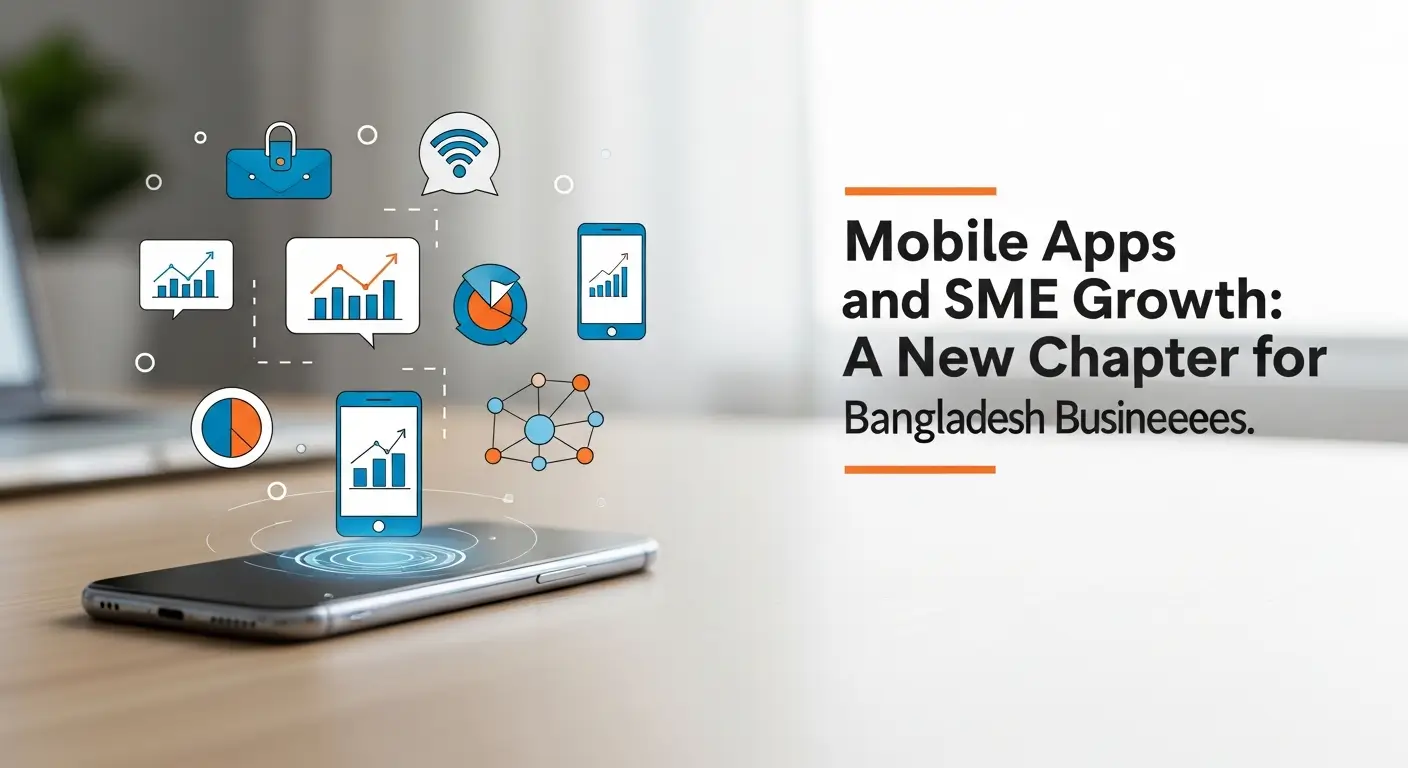
In Bangladesh, small and medium enterprises shape the nation’s economy through job creation, local innovation, and business growth. In 2025, these enterprises stand at a turning point where mobile apps define how fast they grow and how effectively they compete. Mobile technology connects SMEs with customers, simplifies sales, and strengthens brand trust.
People now use smartphones for shopping, payment, and communication, which makes mobile presence essential. As mobile internet reaches every district, customer behavior continues to shift from websites to apps. In this article, we will explore why mobile apps are becoming the growth engine for SMEs in Bangladesh, how they improve daily operations, and what strategies help business owners build successful digital platforms.
What Makes Mobile Apps Essential for SMEs in Bangladesh 2025?
Bangladesh now has more than 110 million active mobile internet users. This shift changes how people discover and trust small businesses. A mobile app gives an SME a direct, private channel to its customers. It removes middle layers like social media algorithms or paid ads.
Mobile apps help small enterprises manage sales, bookings, and customer data in one place. They send updates, show new offers, and collect feedback. This creates constant contact between brand and buyer.
The government also supports digital transformation for local businesses through programs like “Digital Bangladesh.” In 2025, SMEs that use apps gain visibility, faster service, and lower costs. The mobile-first economy rewards those who adapt early and build smart app ecosystems.
How Do Mobile Apps Help Small Businesses Grow in Bangladesh?
Mobile apps give SMEs new ways to expand, reduce costs, and build loyal customers. Each function supports a clear business goal and creates measurable results.
Improve Customer Reach and Brand Presence
A mobile app keeps a business open 24 hours. Customers can browse, order, or contact the company anytime. Push notifications help reach users directly without paid ads. For a local business in Bangladesh, an app works like a digital store on every customer’s phone.
Simplify Operations and Save Time
Many SMEs still track orders or payments manually. Mobile apps automate these tasks. Owners can see real-time sales, inventory, or customer messages in one dashboard. This saves time, reduces errors, and improves service quality.
Drive Repeat Sales and Build Loyalty
An app helps a business turn one-time buyers into regular customers. Features like reward points, referral programs, and exclusive deals keep users returning. In Bangladesh’s competitive market, retention is cheaper than constant new advertising.
Use Data for Smarter Decisions
Apps collect user behavior data—what people view, order, or skip. SMEs can study these patterns to adjust prices, improve products, and plan marketing campaigns. Data-driven actions keep small businesses one step ahead of changing customer trends.
Which SMEs Gain the Most Value from Mobile Apps in Bangladesh?
SMEs in Bangladesh use mobile apps to expand, automate, and scale operations, but certain sectors see faster returns. Retail and eCommerce companies use mobile platforms to display products, accept digital payments, and manage nationwide delivery. These tools help small retailers reach new buyers and compete with large online stores.
Food and delivery startups depend on mobile apps to handle real-time orders, monitor riders, and collect customer reviews. Restaurants and cloud kitchens use apps to build loyalty programs, send offers, and maintain fast service.
Education and healthcare providers manage bookings, live sessions, and consultations through apps. This allows users to learn or receive care from home. Service-based SMEs such as salons, repair shops, and logistics firms schedule work, confirm payments, and track customers digitally.
Every example proves that mobile apps connect Bangladeshi SMEs to wider markets, improve workflow, and strengthen customer trust. These functions make mobile technology one of the most valuable growth assets for 2025 and beyond.
What Features Make a Mobile App Effective for SMEs?
A mobile app must serve both the customer and the business. When each feature supports a clear goal, the app becomes a real tool for growth. The most effective apps balance user comfort with smart business functions that simplify work and increase profit.
Customer-centric elements
Simple navigation
An app should be easy to use for every customer, even those with limited digital skills. Clean layouts, clear buttons, and fast page loading help users find what they need without confusion. A simple interface reduces drop-offs and improves satisfaction. It also makes customers more likely to return and recommend the business.
Multilingual interface
Bangladesh has a diverse user base where not everyone feels comfortable in English. A multilingual interface helps SMEs reach more customers in their native language. When an app supports both Bangla and English, users feel included and more confident in using it. This simple addition builds stronger brand trust and longer app engagement.
Personalized recommendations
Apps that study customer behavior can show products or services people actually want. For example, a retail app can suggest new arrivals based on past orders. Personalized content makes users feel understood and saves them time. It also helps SMEs increase average order value and customer loyalty.
Business-driven functions
Secure payments
Customers need to trust that their transactions are safe. Adding secure gateways such as bKash, Nagad, or card payments helps small businesses gain credibility. Security also protects the company from fraud and chargebacks. When users know payments are protected, they complete purchases with confidence.
Order tracking and analytics
Tracking tools let both business owners and customers see order progress in real time. For SMEs, this feature cuts down customer queries and builds transparency. Analytics, on the other hand, helps owners understand which products sell most, when demand peaks, and where to focus marketing. These insights support data-driven growth and smarter decisions.
Marketing automation tools
Automation allows an SME to stay active without manual effort. Push notifications, special offers, and reminder messages can go out automatically. This saves time and keeps the brand visible. Consistent engagement through automation drives conversions and reduces marketing costs, helping SMEs grow sustainably.
How Much Does It Cost to Develop a Mobile App for SMEs in Bangladesh?
App development cost in Bangladesh depends on app type, feature set, and developer expertise. A basic app costs between 2,000 and 4,000 USD because local developers offer affordable hourly rates. A mid-level app with payment and analytics features costs 5,000 to 8,000 USD. Complex apps with custom dashboards or real-time tracking reach 10,000 USD or more. Each project needs planning because design, backend, and testing add separate expenses. Cross-platform development saves cost when one codebase works for both Android and iOS. Hiring a local agency reduces time and improves cultural fit. The best cost strategy links features to business goals. When an SME invests smartly, the app returns higher sales and long-term efficiency.
How Can SMEs Select the Right App Development Partner in Bangladesh?
SMEs in Bangladesh require clear benchmarks to choose a reliable development company. Each business defines its project goals before shortlisting agencies. Developer experience, verified case studies, and client feedback create the first level of trust.
Companies that understand local markets design apps matching Bangladeshi user behavior and mobile patterns. Teams with strong portfolios demonstrate skill in Android, iOS, and cross-platform frameworks. Transparent pricing policies protect SMEs from hidden costs and financial delays during each phase.
Technical teams that provide post-launch support ensure continuous performance and feature updates. Open communication between developers and clients improves delivery speed and product quality. Okriya integrates design strategy, technology, and growth marketing to help SMEs build stable, data-driven mobile applications that scale with real users in Bangladesh.
Why Will Mobile Apps Be the Future Growth Driver for SMEs in 2025 and Beyond?
Mobile apps give SMEs direct access to customers without relying on third-party marketplaces. Each company manages its marketing, transactions, and communication inside one digital ecosystem. The number of mobile-first users in Bangladesh rises daily, which increases the need for fast and personal service.
Digital payment systems and logistics integrations make order processing quicker and safer for both users and businesses. Government programs that promote technology adoption support SME digitization through grants and training. Data collected from apps allows owners to forecast demand and plan new offers.
Brand recognition grows as users share experiences through app reviews and referrals. Regular interaction builds loyalty and repeat business. SMEs that invest early in mobile technology secure sustainable growth and long-term market relevance in Bangladesh’s digital future.
How Can SMEs Get Started with Building Their First Mobile App?
Plan and Validate the App Idea
Each SME defines a clear problem before starting development. Market research identifies customer needs and competitor gaps. Feedback from potential users confirms if the app solves a real issue worth investment.
Choose Features and Define Goals
Business owners select only features that directly support growth and efficiency. Defined goals link every function to a measurable result such as sales, leads, or engagement. Limited scope keeps cost low and focus high during early development.
Partner with a Reliable Bangladeshi Development Team
Local teams understand user behavior, payment systems, and design preferences. Clear communication between SME and developers ensures faster delivery. Strong technical partners maintain code quality and provide scalable solutions for future updates.
Launch, Market, and Optimize for Growth
Testing before launch guarantees a stable experience for users. Targeted app marketing through social media and local campaigns builds initial downloads. Continuous optimization based on data improves performance, retention, and return on investment.
FAQs
1. Why do SMEs in Bangladesh need mobile apps in 2025?
SMEs need mobile apps to reach mobile-first customers, manage operations digitally, and improve sales. Apps help businesses stay visible, automate service, and maintain direct contact with users.
2. How can a mobile app increase SME revenue?
Mobile apps boost sales by improving engagement and offering quick payment options. Data tracking helps identify buying patterns, while push notifications bring repeat customers.
3. What is the average time to develop a mobile app for an SME?
A simple app takes two to three months to build. Medium-level apps with eCommerce or tracking features may take four to six months. Complex projects with custom systems may extend to eight months or more.
4. Which industries in Bangladesh benefit most from mobile apps?
Retail, food delivery, healthcare, and education sectors benefit most. These industries rely on real-time communication and service convenience, which apps provide effectively.
5. How can small businesses reduce app development costs?
SMEs can reduce costs by defining features clearly, using cross-platform tools, and partnering with local developers. Building only core features first ensures faster launch and better budgeting.
6. What makes Okriya a reliable mobile app development agency for SMEs?
Okriya provides local expertise, transparent pricing, and long-term support. Its team builds apps that match Bangladeshi market needs and help SMEs grow through digital transformation.