
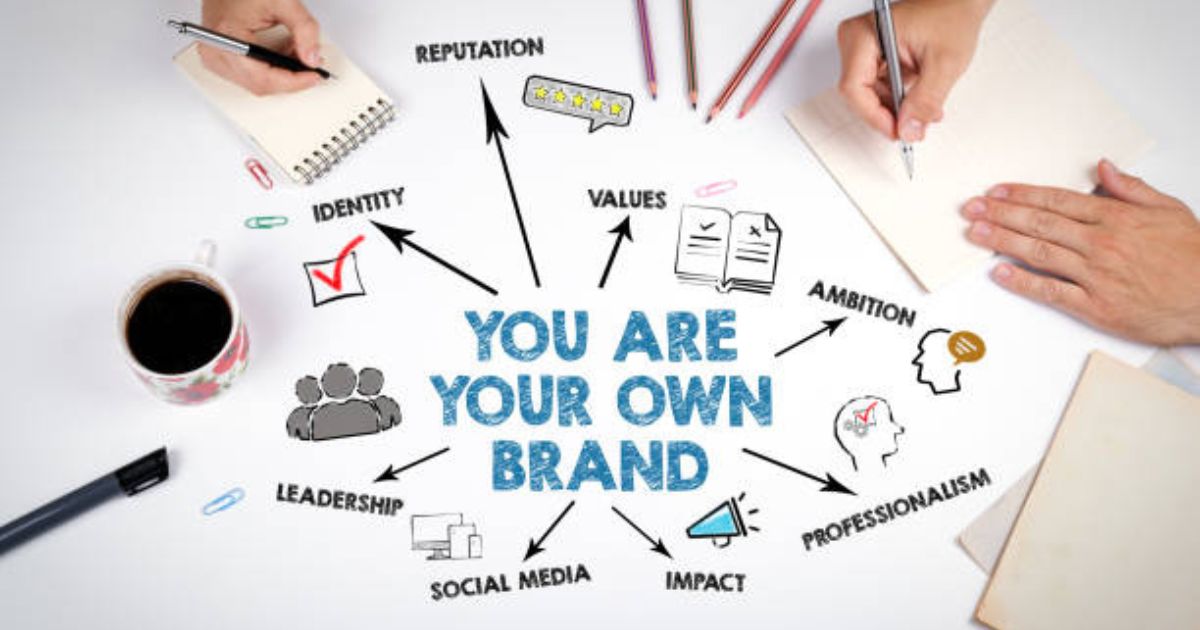
Google shapes how people see your brand long before they reach your website. A single search result can influence trust, interest, and buying decisions. When the results look clean, consistent, and helpful, your brand feels dependable. When they look scattered, outdated, or misleading, potential customers hesitate. Controlling your brand presence in Google SERPs helps you guide that first impression with intention.
This guide explains the complete process in a practical and detailed way. You will learn how to shape your search footprint, reduce confusion, and strengthen your reputation with accurate information across all touchpoints.
Understand How Google Interprets Your Brand
Before you take action, learn how Google views your brand. Search engines rely on clear signals. They look for structured information, stable patterns, and trustworthy references. If your brand exists across several platforms but the details do not match, Google struggles to understand who you are. That confusion often leads to mixed results in the SERP.
Start with a branded search on Google. Look at every item that appears:
- Website homepage
- Social accounts
- Business listings
- Review platforms
- News articles
- Random mentions
- Old pages that no longer reflect your business
This quick scan shows what Google considers important. Anything outdated, unclear, or irrelevant becomes a risk. Your goal is to replace weak items with strong ones.
Create a Clear Identity Across All Platforms
Google rewards consistency. When the same brand identity appears across your website, social profiles, directories, and partner sites, Google gains confidence in your legitimacy.
Align these elements across every platform:
- Brand name
- Short description
- Logo
- Business category
- Address
- Phone number
- Email
- Website URL
- Social links
Publish a short, focused brand description that uses natural language and reflects what you do. Avoid long claims or overused buzzwords. Google reads simple statements with ease, and users connect with them faster.
Add the same description to your website, Google Business Profile, social media bios, and any directory that lists your business. Consistent details help your brand rank more clearly for branded and semi branded searches.
Strengthen Your Google Business Profile
Your Google Business Profile controls a large portion of branded search results, especially for local businesses. It influences the knowledge panel, local listings, map results, and prominent snippets in the SERP.
Complete every section of your profile:
- Correct business name
- Accurate map location
- Business hours
- Website link
- Phone number
- Service list
- Photos and videos
- Short business description
- Categories and attributes
Use photos that present your brand in a real and honest way. Show your team, workspace, products, or projects. These visuals increase trust and help users connect with your identity.
Post updates often. Even a single update per week keeps the profile active. Google prefers profiles that show real movement. Add new services, publish short tips, highlight finished projects, or announce seasonal offers. Frequent updates strengthen your presence and signal that the business is alive and responsive.
Shape Your Core Website Pages With Clear Intent
Your website carries more weight than any other platform. Google treats it as the central source of truth. Strong pages guide Google to understand who you are, what you do, and why your content deserves visibility.
Focus on five key pages:
Homepage
This page should give a clear summary of your brand. Explain what you offer, who you serve, and how your work brings value. Keep the language straightforward. Add real examples of your capabilities.
About page
Your About page builds confidence. Share your story, your values, and your progress. Introduce your team. Add achievements that reflect real impact. Google reads this page to understand your background and identity.
Services
Create separate service pages for each core offer. These pages help Google rank you for the right queries. When each service sits on its own page, you control the message more effectively.
Portfolio or case studies
Show real work with real outcomes. Add details that help users learn from your experience. Case studies often rank for branded searches because they reflect high credibility.
Contact page
Keep your business details clear and identical to your Google Business Profile. Include all contact methods and your service area.
These pages become the foundation of your search presence. Once they are strong, everything else builds around them.
Publish Content That Answers Real Branded Questions
Your audience will search your brand in many different ways. Some will search your name only. Others will add keywords that reflect their needs or concerns. When your content answers these queries, you control the conversation.
Create content around real user intent, such as:
- Your brand reviews
- Pricing
- Service details
- Common questions
- Comparisons with similar providers
- Location related queries
- Your process and workflow
- Your tools and technology
When you publish pages that answer these topics, Google displays your own content instead of random or outdated sources. This approach gives you control over accuracy and tone.
Do not create content stuffed with repetitive phrases. Use natural explanations and real insights from your work. Google rewards clarity and value over keyword repetition.
Improve Your Social Presence and Connect It to Your Website
Social platforms often appear on the first page of branded search results. They play a major role in shaping user perception. Even if your brand relies more on website traffic than social activity, your profiles still influence how people see your business.
Create strong profiles on the platforms that matter to your audience. Keep them active with short updates, project highlights, helpful insights, and behind the scenes content. Link each profile to your website.
Activity helps Google understand that your brand interacts with real people and shares genuine content. Consistent activity builds trust both for users and search engines.
Earn Mentions on Relevant Websites
Third party mentions add weight to your brand. When respected websites reference your name, Google views your brand as a credible entity. These mentions help shape your SERP presence in a natural and sustainable way.
You can earn mentions through:
- Guest posts
- Podcast appearances
- Press coverage
- Industry interviews
- Directory listings
- Local business associations
- Partner websites
- Case study collaborations
Focus on quality. One good mention from a trusted website brings far more value than dozens of low quality links. Choose websites that align with your industry or service region. When the context matches your work, the mention becomes stronger.
Manage Your Reviews Across All Platforms
Reviews strongly influence your search footprint. They also shape user trust. Google reads the frequency, tone, and distribution of reviews to understand your reputation.
Encourage customers to share honest feedback. Make the process easy. You can follow up after a project with a polite request for a review. Guide them to your Google Business Profile, Facebook page, or relevant industry review sites.
Reply to both positive and negative reviews. Keep your tone steady and helpful. A thoughtful response shows maturity and reliability. It also signals to Google that your business values customer relationships.
A healthy pattern of real reviews increases your visibility and improves how Google presents your brand in the SERPs.
Monitor How Google Displays Your Brand
Branded SERPs shift over time. New pages appear. Old pages change. Competitors sometimes target your brand with comparison content. If you ignore these changes, you lose control.
Create a simple routine:
- Search your brand name weekly
- Check your top keywords
- Look for new listings
- Identify outdated or harmful content
- Watch for old profiles that should be removed
- Review how your site links display
- Observe how your brand appears on mobile and desktop
This routine helps you act early when something looks off. You can update pages, request corrections, or publish new content to push outdated items lower.
Use Structured Data to Strengthen Your Identity
Structured data helps Google understand your business at a deeper level. It adds a layer of clarity that improves visibility in branded search results.
Add the right schema across your website:
- Organization schema
- LocalBusiness schema
- Breadcrumb schema
- Service schema
- Article schema
- FAQ schema
These elements do not guarantee rich results, but they improve your chances. They also help Google recognize your brand as a structured and reliable entity.
Shape the User Journey With Clean Navigation and Internal Links
Your internal structure tells Google how your content connects. When the structure flows clearly, Google understands your brand better and ranks branded content more reliably.
Use natural internal links across your core pages:
- Link service pages to related case studies
- Link blog articles to deeper guides
- Link your About page to team profiles
- Link project pages to the service that produced them
Every link adds context. Google reads these connections and creates a more accurate picture of your brand.
Build a Strong Long Term Footprint
Brand control in Google is not a one time job. It grows through consistent action. Every update, every article, every review, and every mention strengthens your presence. Over time, your brand becomes the main authority for its own identity.
Strong footprint has these qualities:
- Clear identity
- Consistent messaging
- Accurate details
- Active platforms
- Helpful content
- Real reviews
- Organic mentions
- Solid technical foundation
When all these pieces align, Google displays your brand with clarity. Users trust what they see and feel confident exploring your website.
Final Thoughts
You gain control of your brand presence in Google SERPs by shaping every point that influences your identity. You create a stable foundation through accurate information, strong pages, active profiles, clear content, structured data, and continuous monitoring. Over time, Google sees your brand as a reliable source, which improves visibility and trust.
FAQs
Why should I care about my brand’s presence in Google search results?
People form opinions about your business as soon as they see your search results. Clear and accurate results build trust and attract better leads. If the results look messy or outdated, potential customers lose confidence. Controlling your brand presence helps you guide that first impression.
How do I check what Google shows for my brand?
Search your brand name on Google and review everything that appears. Look at your website, social profiles, business listings, review sites, and any old pages that still show your name. This simple scan helps you spot weak or outdated results that need attention.
What improves my branded search results the most?
Strong website pages, an active Google Business Profile, real reviews, clear social profiles, and mentions on trusted websites all influence how your brand appears. These elements give Google a complete and consistent picture of who you are.
How does consistency help my brand rank better?
Google prefers brands with clear and matching details across all platforms. When your name, phone number, address, and descriptions stay the same everywhere, Google understands your identity with more confidence. This stability improves visibility in branded searches.
Does my Google Business Profile affect my brand image in search?
Yes, your Google Business Profile controls the knowledge panel, map listing, and many local search elements. A complete and active profile helps Google show accurate information about your brand and gives users a reliable source to learn about your business.
What type of content should I create to control branded queries?
Create content that answers real questions related to your brand, such as pricing, services, reviews, locations, and your process. When this content exists on your website, Google uses it instead of outdated or third party pages, which gives you more control over the message.
Do social profiles impact branded search results?
They do, social profiles often appear on the first page for branded searches. Active profiles signal that your brand engages with real people. This improves both credibility and visibility.
How do reviews influence my brand in Google search?
Reviews affect perception and ranking. Frequent, authentic reviews help Google understand your reputation. They also help potential customers trust your business. Responding to reviews shows that you care about your clients and your service quality.
How often should I monitor my branded search results?
A weekly check works for most businesses. Look for new listings, outdated pages, inaccurate details, or harmful content. Quick action keeps your search presence clean and controlled.
Can structured data help my brand presence in Google?
Structured data helps Google read your website more clearly. It supports your identity, improves understanding, and increases your chances of rich results. While it does not guarantee ranking, it strengthens your position in branded searches.